
The Templar Knights

Templar Hierarchy . Templar ranks were: Knights, who were always noblemen. Templar Knights were equipped as heavy cavalry, with three or four horses and one or two squires. Squires were generally not members of the Order but were instead outsiders who were hired for a set period of time. Sergeants. Drawn from non-noble families were Templar.
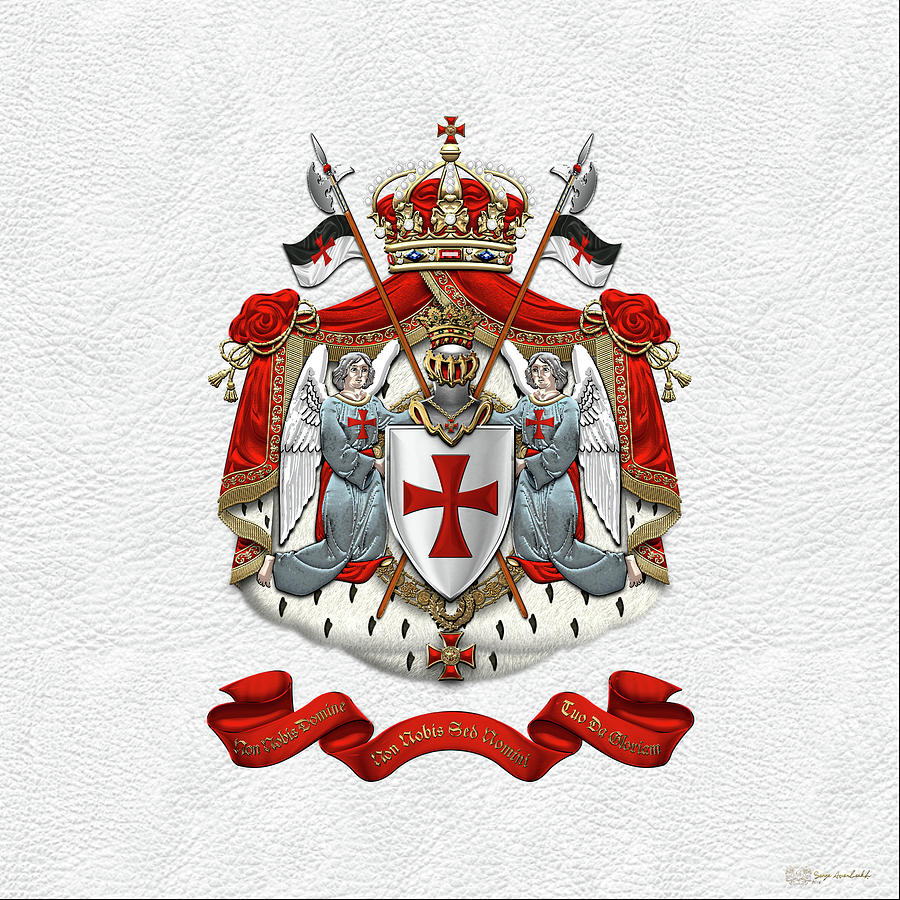
Knights Templar Coat of Arms over White Leather Digital Art by Serge Averbukh Pixels Merch
Hierarchy of theCatholic Church. The grand master of the Knights Templar was the supreme commander of the holy order, starting with founder Hugues de Payens. Some held the office for life while others resigned life in monasteries or diplomacy. Grand masters often led their knights into battle on the front line and the numerous occupational.
Knights Templar Icon at Collection of Knights Templar Icon free for personal use
The Knights Templar was a military order founded in 1119 which would become one of the strongest, well-known and lucrative of the orders. With its headquarters at Temple Mount in Jerusalem, the lifespan of this military order was almost two centuries, in which time, its members would become skilled warriors and participants in the continuing.
The Knights Templar and Knights Hospitaller
The Knights Templar were established c. 1119 and given papal recognition in 1129. It was a Catholic medieval military order whose members combined martial prowess with a monastic life to defend Christian holy sites and pilgrims in the Middle East and elsewhere.. There were two ranks within the order: knights and sergeants, with the latter.
Hierarchy of the Templars Understanding Templar Ranks
2. Noble Knights. You had to be able to prove you were already a knight to join the Templars as there was no training on the job, and therefore there was also no traditional dubbing ceremony!. The Noble knights were the most recognizable people with the ranks, with their white mantles, which was to display their chastity and purity, and the 'Red Cross' that signaled martyrdom and showed.
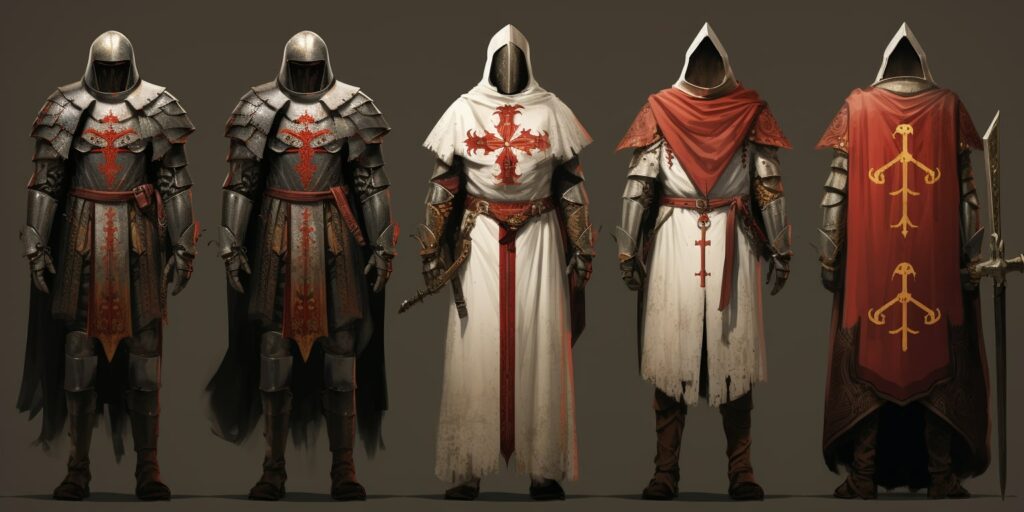
Ranks of the Military Order of the Knights Templar by kokoda39 on DeviantArt
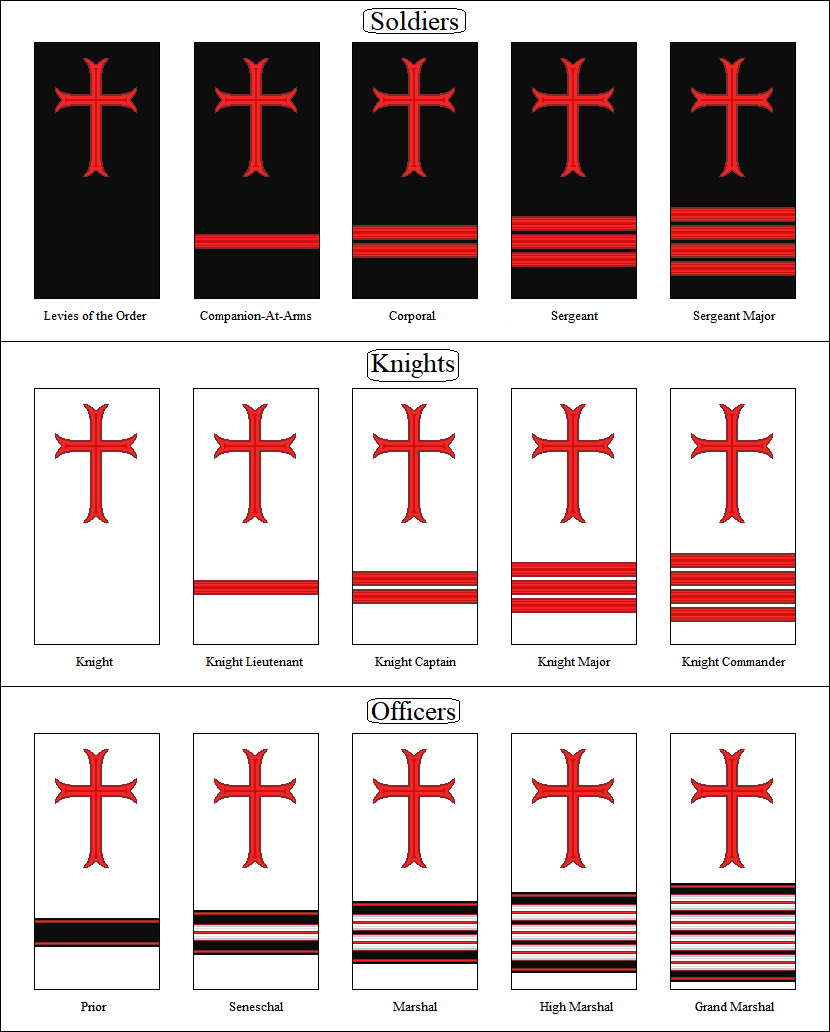
This is a list of some members of the Knights Templar, a powerful Christian military order during the time of the Crusades.At peak, the Order had approximately 20,000 members. The Knights Templar were led by the Grand Master, originally based in Jerusalem, whose deputy was the Seneschal.Next in importance was the Marshal, who was responsible for individual commanders, horses, arms and equipment.
Pin on Knights Templar

Knighthood, Knights Templar, Knights Templar Roles & Ranks. In the intricate meshwork of societal structures, hierarchy plays a crucial role. The realm of medieval knights, marked by chivalry, bravery, and honor, is no exception. The knight rank system, with its various knight rank names, can be puzzling, especially when discussing the highest.
Pin on Armor

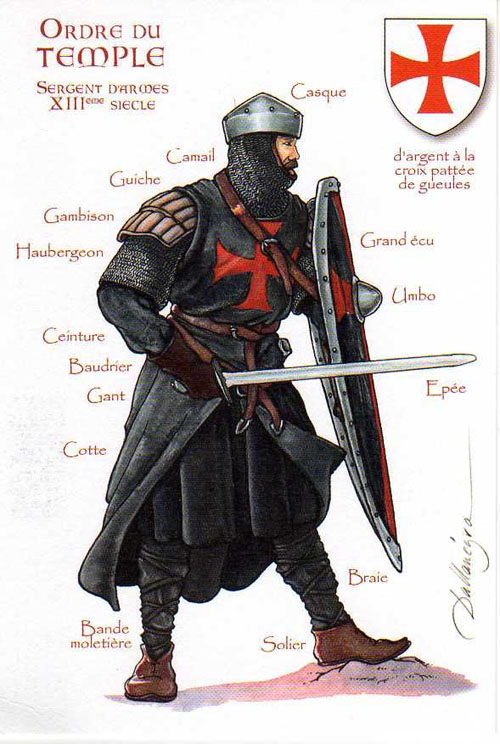
Knights and Sergeants. The bulk of the Templar's military might was comprised of knights and sergeants. Although both classes of Templars were as likely to die in battle, the knight had a higher ranking within the Order. Knights had to be men of noble birth and wore the white mantle which is the most familiar garment of the Order.
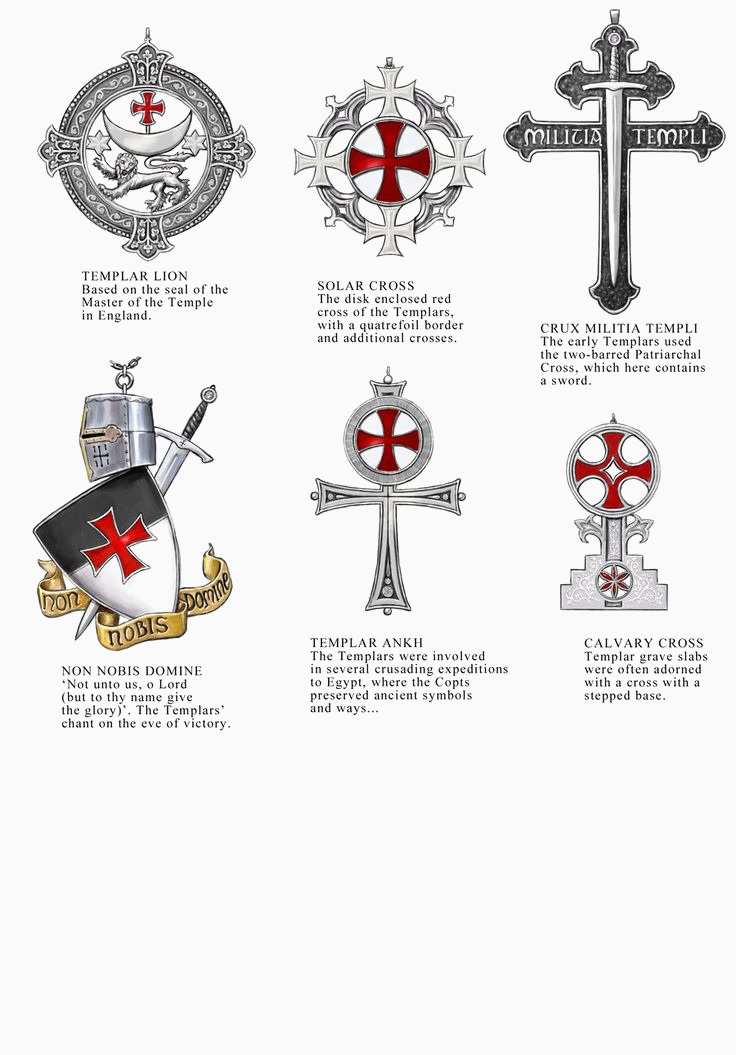
The 25+ best Knights templar symbols ideas on Pinterest

The Knights Templar were a chivalric military order of monastic knights who famously wore white tabards emblazoned with a red cross. Like all military (and indeed monastic) orders they had a strict hierarchy made up of three main "ranks". The ranks of the Templars consisted of: the noble knights, the non-noble sergeants, and the chaplains. Since the Templars did not perform knighting.
Ranks of the Knight Templar Grand Masters, Noble Knights Discover 'Ranks within the Order of

Fifteen ranks of the Knights Templar. This article is more than 10 years old. Today's festive countdown instalment, extracted from Rogerson's Book of Numbers, sheds light on the influential.
Talismans of The Knights Templar House of Isis

The Knights Templar was a powerful medieval organization of devout Christians which protected visitors to the Holy Land and carried out military operations.
Pin on Knights Templar

The Knights Templar were an elite fighting force of their day, highly trained, well-equipped, and highly motivated; one of the tenets of their religious order was that they were forbidden from retreating in battle, unless outnumbered three to one, and even then only by order of their commander, or if the Templar flag went down.
Order of the Templar Knights and the Red Cross

There were three main ranks in the Knights Templar: noble knights, sergeants, and chaplains. Only those from noble families whose fathers and grandfathers were knights could become a noble night. The sergeants were drawn from non-noble families and wore black or brown. Chaplains were ordained priests who tended to the Templars spiritual.
List of Knights Templar Grand Masters and their coats of arms by William Marshal

The Knights Templar took vows of chastity, poverty, and obedience, and patrolled the pilgrim route to aid and defend pious travelers.. Other ranks formed to supplement the above, depending on the region. The bulk of the fighting force was made up of knights and sergeants. Knights were the most prestigious; they wore the white mantle and red.
Пин от пользователя Alex Pawlik на доске Teutonic Order Tannenberg/Grunwald 1410 Крестовые

Ascending the Ranks: A Guide to Medieval Knight Hierarchy. / Knighthood, Knights Templar, Knights Templar Roles & Ranks / By Liuba. Knights have been immortalized in our culture as gallant figures of bravery and honor. They are often depicted as heroic warriors, clad in shiny armors, seated on powerful steeds, and brandishing mighty weapons.
Church & state Templar hierarchy Although they're remembered as knights, the Templars were a
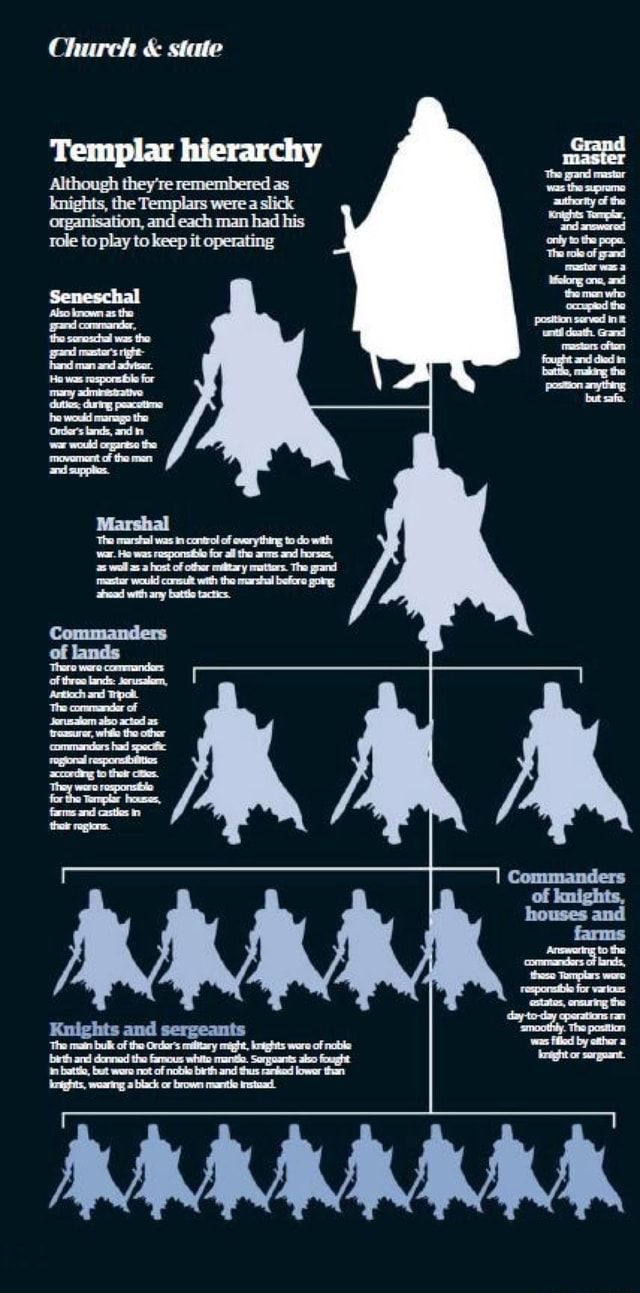
The Poor Fellow-Soldiers of Christ and of the Temple of Solomon, mainly known as the Knights Templar, was a military order of the Catholic faith, and one of the wealthiest and most popular military orders in Western Christianity.They were founded c. 1119, headquartered on the Temple Mount in Jerusalem, and existed for nearly two centuries during the Middle Ages.