
Klebsiella Pneumoniae Nutrient Agar

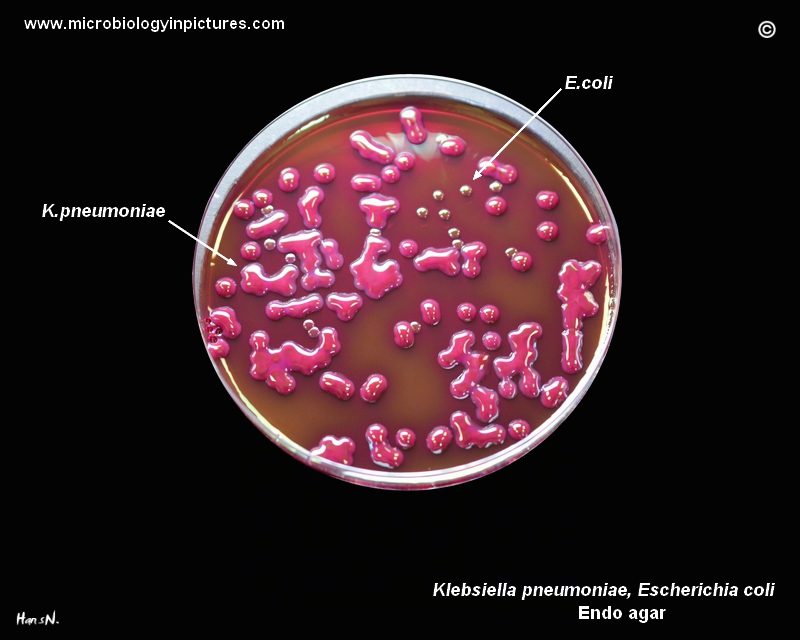
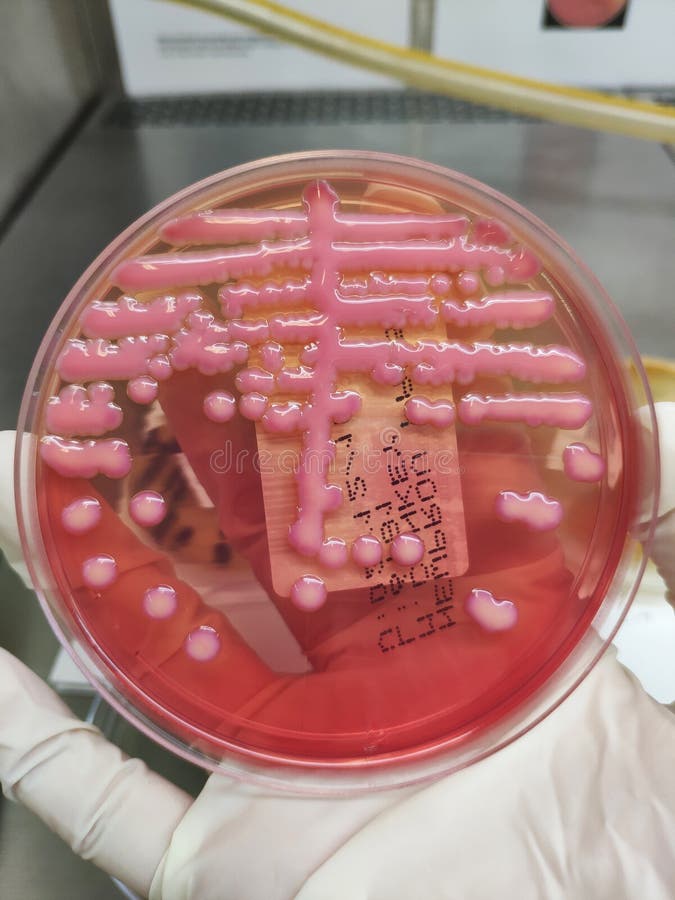
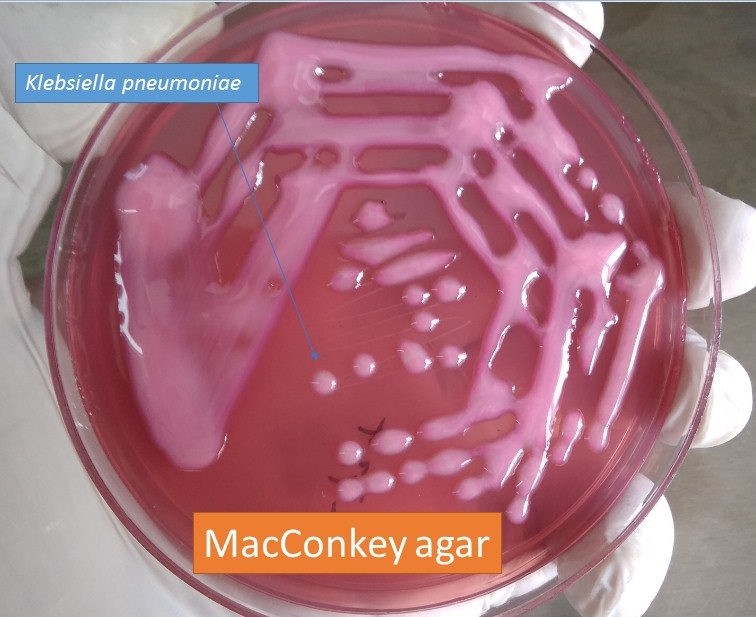
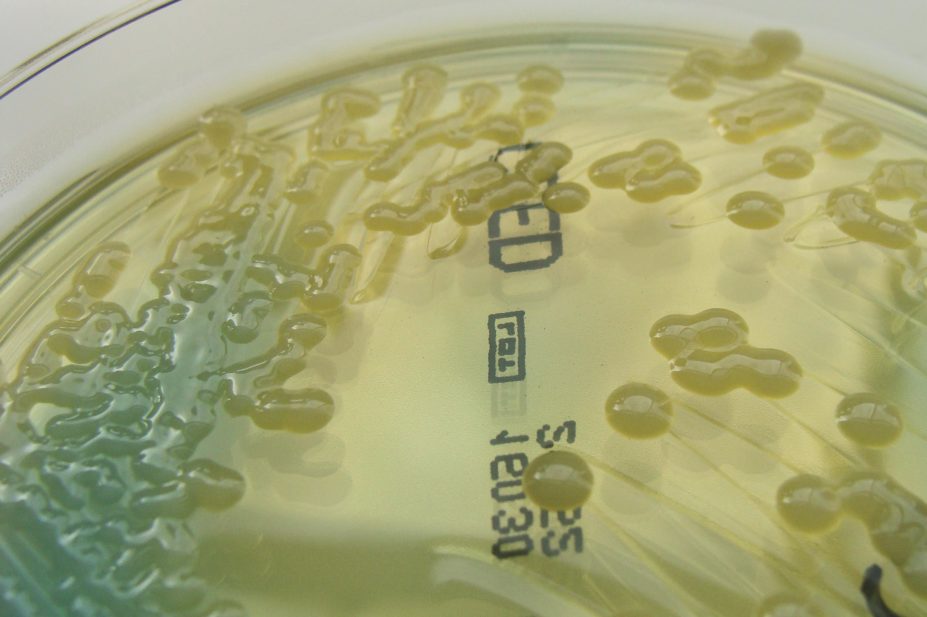
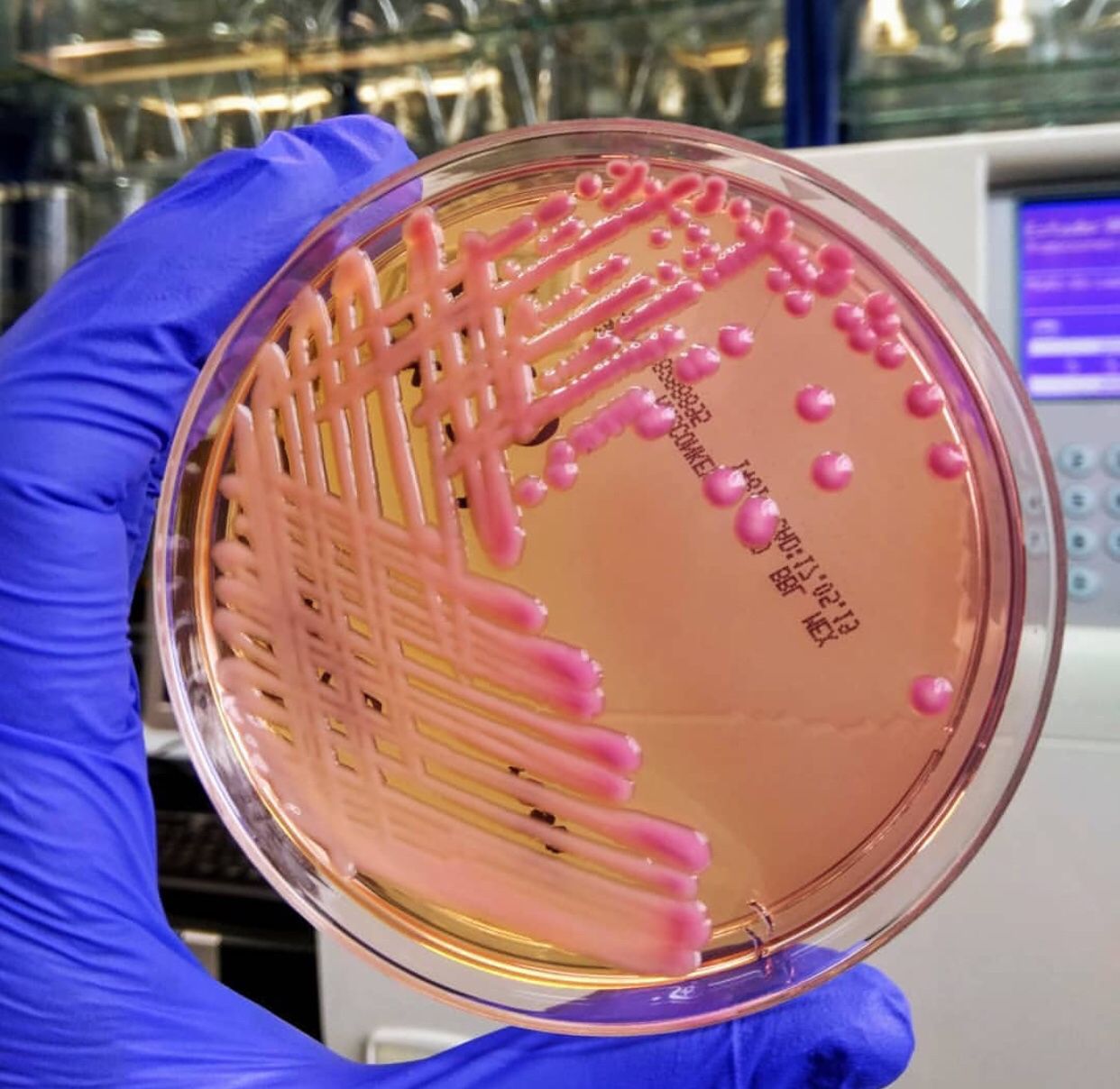
Klebsiella pneumoniae is a Gram-negative, non-motile, encapsulated, lactose-fermenting, facultative anaerobic, rod-shaped bacterium.It appears as a mucoid lactose fermenter on MacConkey agar.. Although found in the normal flora of the mouth, skin, and intestines, it can cause destructive changes to human and animal lungs if aspirated, specifically to the alveoli resulting in bloody, brownish.
Klebsiella pneumoniae scheda batteriologica ed approfondimenti
How Klebsiella bacteria are spread. To get a Klebsiella infection, a person must be exposed to the bacteria. For example, Klebsiella must enter the respiratory (breathing) tract to cause pneumonia, or the blood to cause a bloodstream infection. In healthcare settings, Klebsiella bacteria can be spread through person-to-person contact (for example, from patient to patient via the contaminated.
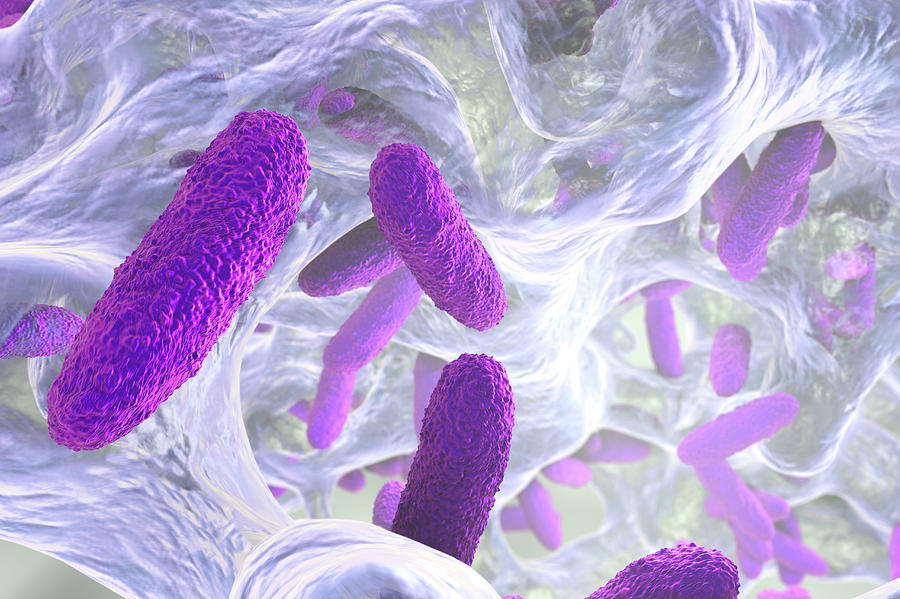
Klebsiella Pneumoniae Bacteria Photograph by Ami Images

K. pneumoniae liver abscesses commonly affect people with diabetes or an alcohol use disorder or who have been taking antibiotics for a long time. Common symptoms include: fever. pain in the upper.
Klebsiella pneumoniae Introduction, Identification Features,

The KBA media were compared to the commercial media — KSA, which is selective for Klebsiella species. Since all the selected bacterial cultures grow efficiently in LB, it was used as general media control. The cultures were streaked onto KBA, KSA, and LB agar plates and incubated for 24 h at 37 °C.
Klebsiella Bacteria STD.GOV Blog
Introduction. Klebsiella pneumoniae (KP) is one of the most common bacterial pathogens that causes community or nosocomial acquired infections, such as pneumonia, urinary tract and surgical site infections, bloodstream infections (BSIs), and hepatobiliary infections (Paczosa and Mecsas, 2016).The management of infections due to KP has been complicated by the emergence of antimicrobial.
Klebsiella Pneumoniae Bacteria Growing on Blood and Macconkey Agar Stock Image Image of

Klebsiella pneumoniae is a frequent cause of infectious diseases in hospitals and community settings and is associated with a wide variety of clinical conditions including pneumonia, intra-abdominal infections, urinary tract infections, and bloodstream infections (BSIs).K. pneumoniae is reported to be the second most common cause of Gram-negative bacteremia and has a high mortality rate [].
Klebsiella Pneumoniae Bacteria Growing on Blood and Macconkey Agar Stock Image Image of
Submit data. Epidemiology. Klebsiella species are a Gram-negative rod shaped bacteria belonging to the Enterobacteriaceae family. They are commonly found in the environment and in the human.
Klebsiella pneumoniae on MacConkey Agar and Its Details
The Klebsiella genus, which including the species K. pneumoniae, (including subspecies pneumoniae and ozonae), K. oxytoca, and K. variicola are important human pathogens.Klebsiella pneumoniae is second to Escherichia coli as the most frequent cause of Gram-negative bloodstream infections (BSI) in both hospital and community settings []. Klebsiella pneumoniae is an important cause of pneumonia.
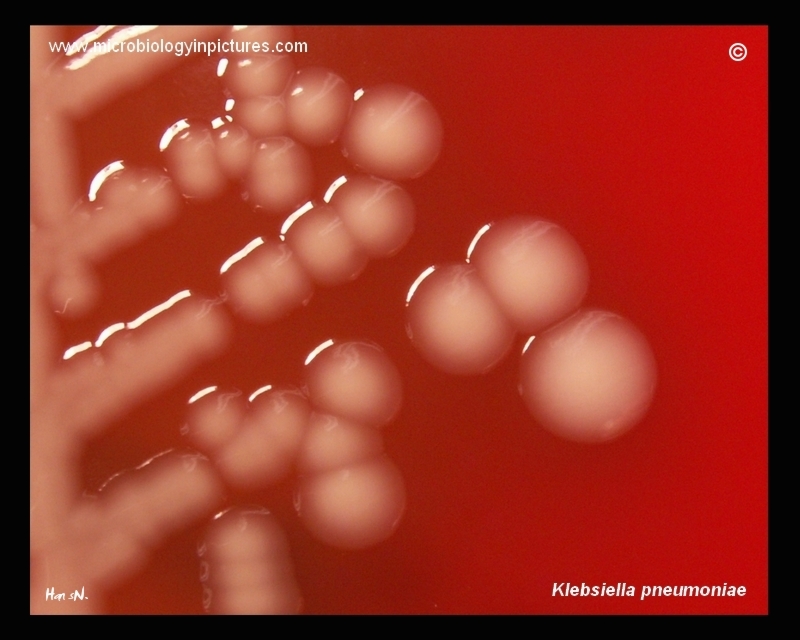
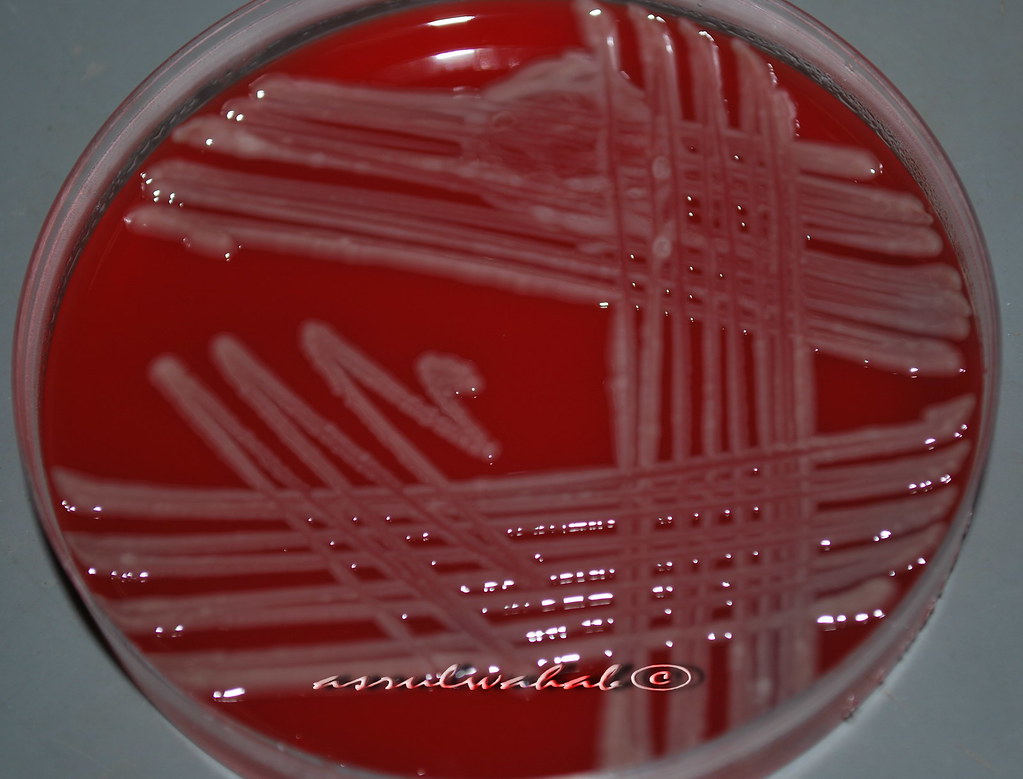
A photo of Klebsiella pneumoniae colonies on blood agar.
Introduction. Klebsiella pneumoniae (Kp) is a gram-negative, non-motile rod, endowed with a prominent sugar capsule, which causes human respiratory, urinary tract, and systemic infections. Citation 1 Currently, there are no vaccines available against Kp, and antibiotic therapy remains the standard intervention strategy in case of infection. However, due to the large number of antibiotic.
US antibiotic stewardship reduces drug resistance and cost The Pharmaceutical Journal
Klebsiella pneumoniae (KP) is a gram-negative, encapsulated, bacterium in the environment [].The bacterium typically colonizes human mucosal surfaces, including the gastrointestinal (GI) tract and oropharynx [].Once the bacteria enter the body, they can exhibit a high degree of toxicity and antibiotic resistance [].KP pneumonia accounts for approximately 11.8% of all hospital-acquired.
Streptococcus Pneumoniae Bacteria Culture Photograph by Daniela Beckmann Fine Art America

Background Carbapenem-resistant Klebsiella pneumoniae (CRKP) infections are a major public health problem, necessitating the administration of polymyxin E (colistin) as a last-line antibiotic. Meanwhile, the mortality rate associated with colistin-resistant K. pneumoniae infections is seriously increasing. On the other hand, importance of administration of carbapenems in promoting colistin.
Medical Student Humor, Medical Laboratory Scientist, Medical Technology, Microbiology Study
Klebsiella pneumoniae is an opportunist pathogen ubiquitous in nature and found asymptomatically in more than 40% of the population. 1 It has been identified as a direct menace for human health.
Streptococcus Pneumoniae On Blood Agar Sudded

Beyond β-Lactamase Gene Detection in Klebsiella pneumoniae. Alyssa K W Maclean,. MICs to β-lactams and inhibitor combinations were determined by agar dilution or E-test. Outer membrane porin production was evaluated by western blot of outer membrane fractions. β-lactamase carriage was determined by whole genome sequencing and expression.
Klebsiella pneumoniae picture. Cultivation on blood agar. Colonies without hemolysis.
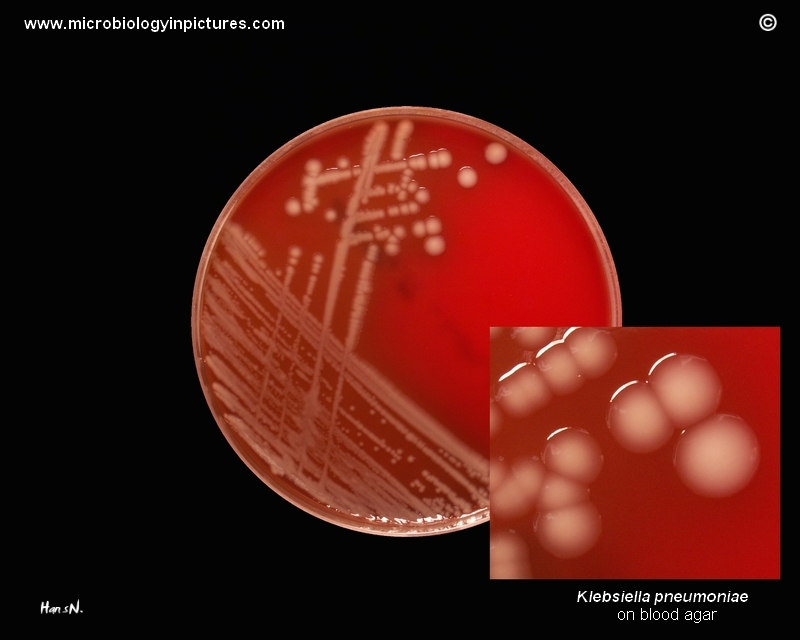
All K. pneumoniae strains were cultured on Columbia blood agar containing 5% sheep blood (Becton Dickinson, USA). Strain identity was confirmed by the matrix-assisted laser desorption/ionization-time of flight mass spectrometry apparatus (MALDI-TOF MS) (Bruker, Germany). A string-test was performed on blood agar as previously described.
Klebsiella Pneumoniae Bacteria 8 Photograph by Kateryna Kon/science Photo Library Fine Art
Klebsiella pneumoniae (K. pneumoniae) is a Gram-negative bacterium naturally resistant to amoxicillin and. t reusl 12. e string test results were conrmed using colonies grown on blood agar.
Klebsiella on Blood Agar Microbiology PPUKM asrulwahab Flickr
Klebsiella pneumoniae is the second most common pathogen in Enterobacteriaceae bloodstream infections (BSIs). The reported mortality rate of K. pneumoniae BSIs varies from 15 to 79% [1,2,3,4], which was lower than that of Acinetobacter baumannii BSIs (30 to 84%) [5, 6] but higher than Escherichia coli (5 to 22%) [7,8,9].Antimicrobial resistance and virulence are generally considered as.